
Ever wondered what goes on behind the scenes in sweepstakes casino game development? Discover the creative process that shapes the games you love.
Understanding The Technology Behind Sweepstakes Games
Sweepstakes games rely on unique technology that ensures fairness and randomness in the outcomes. Unlike traditional casino games, these games often use a sweepstakes model where players gain entries through non-traditional means, such as purchasing products or services. This model is grounded in specific algorithms that guarantee compliance with sweepstakes laws.
Role of RNG Algorithms
At the heart of sweepstakes games lies the Random Number Generator (RNG) technology. RNG algorithms create random outcomes, ensuring each game’s fairness. These algorithms are thoroughly tested and verified by third parties to maintain credibility and integrity in the gaming process.
Legal Compliance and Software
To ensure compliance with international gaming laws, software developers must incorporate specific legal frameworks into the game’s tech. This includes coding that adheres to regional regulations and implementing auditing trails to track game outcomes and player interactions.
Integration with Online Platforms
Technological advancements have made it possible for sweepstakes games to be integrated seamlessly with online platforms. These integrations require robust APIs that allow data exchange while maintaining user security and privacy. Such setups ensure players can enjoy a smooth gaming experience on various devices.
Understanding this technology is crucial for anyone involved in developing or playing these games. The blend of advanced algorithms and compliance with legal standards ensures that sweepstakes games operate fairly, providing an enjoyable experience for all players.
Creative Processes: From Concept To Game
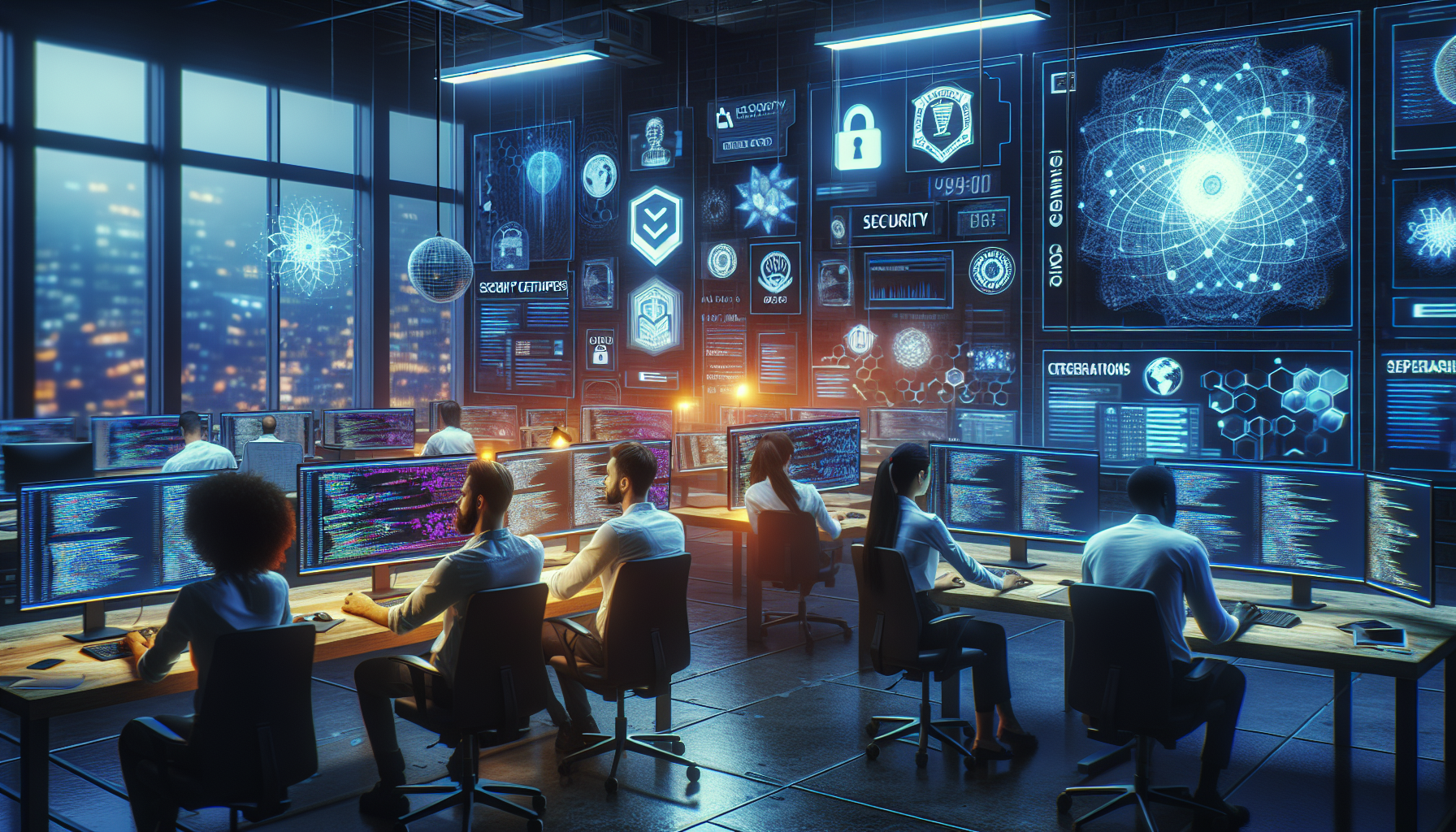
The journey from game concept to final product in sweepstakes game development is a fascinating blend of creativity and technical expertise. It all begins with brainstorming sessions where game designers and developers come together to create compelling ideas. These ideas form the foundation for game mechanics, themes, and storytelling elements.
Conceptual Design and Prototyping
Once a concept is chosen, designers create prototypes to illustrate the game’s layout and flow. Prototyping serves as a vital step, allowing teams to visualize and tweak the game’s mechanics before full-scale development. These early models are essential for identifying potential improvements.
Art and Sound Development
Visuals and sounds play a crucial role in engaging players. Artists and sound designers work to develop graphics, animations, and audio that align with the game’s theme. The goal is to create immersive environments that captivate players while maintaining a seamless gameplay experience.
Iterative Development and Testing
Developers use an iterative process to continually refine the game. This involves coding the game, repeatedly testing for bugs, and adjusting elements based on feedback. It’s a cyclic effort that ensures the final product is polished and player-friendly.
This process is vital for crafting games that are not only entertaining but also function smoothly, reflecting the balance of creative vision and practical execution in game development.
Testing And Feedback: Ensuring A Seamless Experience
Ensuring a seamless gaming experience involves rigorous testing and gathering valuable feedback. Game testing is a critical phase where developers identify and resolve issues before the game reaches players. This process includes checking for bugs, verifying game mechanics, and ensuring the overall user interface is intuitive.
User Testing and Bug Fixing
Testers play a pivotal role by thoroughly examining the game to uncover any glitches or inconsistencies. Their feedback helps developers fix bugs and make necessary adjustments. This phase is crucial for achieving a smooth and enjoyable gameplay experience.
Feedback and Iteration
Feedback from testers and early users provides insights into what works and what doesn’t. Developers take this feedback seriously, using it to make iterative improvements. This process of refining the game based on real-world input helps in tailoring the game to meet player expectations.
Beta Testing
Beta testing releases a version of the game to a broader audience to gather more feedback. This stage exposes the game to varied playing conditions, offering a more comprehensive view of its performance. Beta testing is essential for final tuning and helps ensure the game launches with confidence.
These steps highlight the importance of testing and feedback in the development process, ensuring players receive a high-quality and engaging product.